
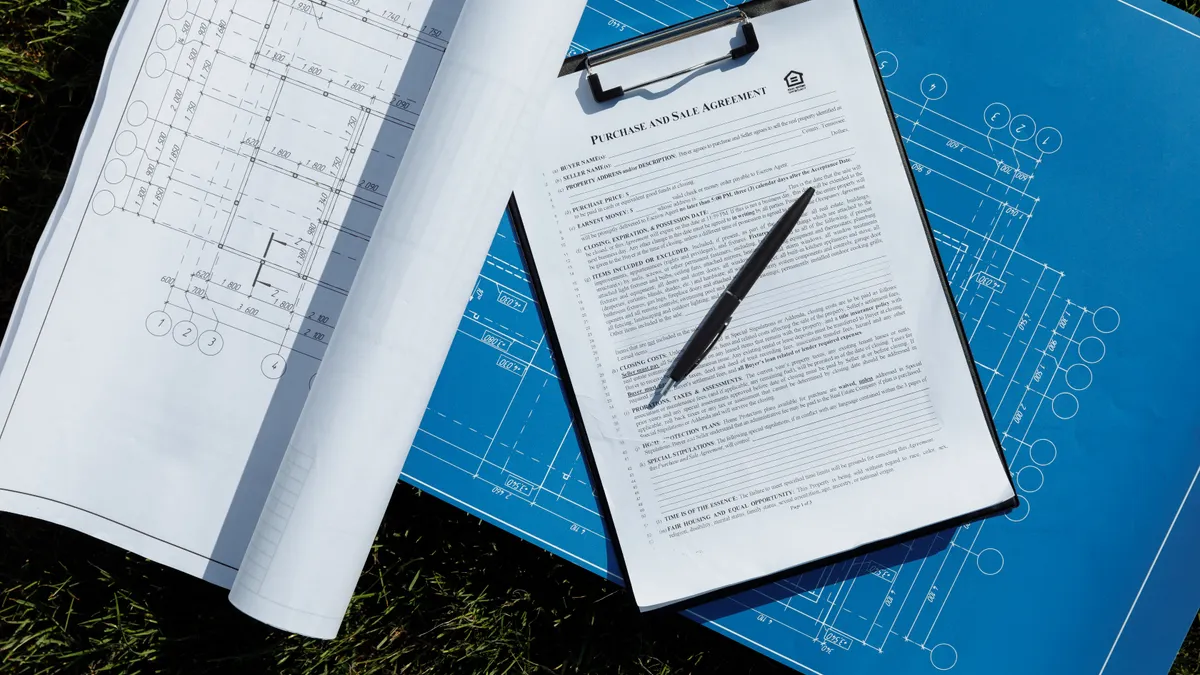
How to Compare Roofing Estimates
One roofer quotes $8,200 and another quotes $11,000. A difference like that can feel huge. Before choosing the lower price, check whether the two companies are actually promising the same work.
Eau Claire Roof Hub shares roofing information and may help callers reach independent professionals. We do not carry out roofing work or provide binding estimates.
Check the roof problem before comparing prices
The estimate should begin with the reason for the work. A leak beside one vent does not automatically call for the same job as worn shingles across several slopes. If a contractor is proposing replacement, ask what the inspection found that makes a repair unsuitable.
Good photos can show missing materials, brittle shingles or damaged flashing. The quote should explain those findings in normal English. If an inspection could not reach part of the roof, it should say so. A guess about hidden decking is not the same as confirmed rot.
When you need a clearer diagnosis, the roof inspection guide explains what a written condition report can show. Comparing prices before the work is defined often wastes time. The first step is knowing which repair each company believes is needed.
Put the measured roof area side by side
Roofers may measure the roof by the square. One square equals 100 square feet of actual roof surface. That is not always the floor area of the home. Roof pitch, dormers, garage sections and overhangs can change the amount of material needed.
Ask each bidder to show the roof measurement used in the price. A difference in measured area can help explain why estimates do not match. Some extra material is needed for cutting and waste. A complicated roof can use more material than a simple rectangle with the same total surface area.
If one quote includes a detached garage and another does not, the two prices are not comparable. Ask for each roof section to be named. You do not need perfect measurements yourself. You do need enough detail to know which surfaces are included.
Confirm the exact materials and roof layers
An estimate that says “premium shingles” is too vague to compare with another product. Ask for the manufacturer, product line and type. For asphalt roofing, look for starter shingles and the pieces used at ridges and hips. Underlayment is the protective layer below shingles. It should be named along with any ice and water protection.
Wisconsin winter weather makes roof edge details important. Water may back up where snow melts and freezes again. The roofing plan should show where stronger water protection will be installed based on the roof system and applicable requirements. More expensive materials are not automatically the better option. They need to suit the roof.
The Asphalt Roofing Manufacturers Association explains how the different layers help a shingle roof shed water. For a material comparison, read our metal roof versus shingles guide.

Look closely at flashing and roof openings
Chimneys and roof vents interrupt the normal flow of water. The metal around those points is called flashing. Old flashing may need replacement during a new roof job. A quote that reuses every old piece could have a lower price but a different risk. For broader context, the Eau Claire roofing homepage covers local roofing concerns and options.
Ask whether chimney flashing, pipe boots and roof-to-wall joints are included. A pipe boot seals the point where a plumbing vent goes through the covering. Over time its rubber collar can crack. Replacing shingles without checking that opening can leave the leak in place.
Valleys also need attention because water from two roof slopes gathers there. The contractor should explain what material will be used at those joints. Our chimney flashing guide explains why applying more caulk is not always a lasting solution. Read the proposal closely rather than assuming every roofer follows the same plan.
Ask how hidden roof damage will be charged
Old shingles can cover wet plywood or other damaged roof decking. The crew may not discover the full problem until removal begins. Some estimates include a limited number of replacement sheets. Others charge for every sheet found to be unsound.
Ask what one sheet of new decking will cost and whether that price includes labor and disposal. Make sure the contract says who approves extra work. Photos should show the condition before the new boards cover it. You should not have to agree to an open-ended bill without a clear way to review the changes.
Large framing damage is different from replacing a small sheet of decking. It may call for structural review and different permits. Our roof decking damage guide explains the difference. When a bidder says hidden damage is included, ask how much and which kinds of work the promise covers.
Understand removal, cleanup and property protection
Tearing off a roof is a messy job. Shingles, nails and other material have to be carried down and removed from the property. Ask whether the dumpster or trailer is included in the quoted total. Check how the crew plans to protect landscaping, a driveway and nearby windows.
Some estimates include a final ground sweep for loose nails. Others say only that debris will be taken away. If you have children or pets using the yard, this detail matters. Ask who will check the site before the crew leaves. The agreement should also explain whether equipment might block your driveway.
Weather can delay safe roofing work. Ask how an exposed roof will be protected if rain arrives before the job is finished. It is reasonable to want a written plan instead of an informal promise that the crew will work quickly.
Check permits, credentials and payment terms
The City of Eau Claire directs replacement of shingles or metal covering through its Building Exterior permit process. A property outside city limits may have different rules. Ask who will apply and pay any required fee. See our Eau Claire roofing permit guide for the city and county difference.
Ask for the contractor’s full business name and which Wisconsin credentials apply to the project. You can check a business Dwelling Contractor credential and a person’s Dwelling Contractor Qualifier status through the state when relevant. Request proof of insurance rather than accepting only a verbal claim.
The Federal Trade Commission recommends multiple written estimates and careful review of contracts. Avoid paying the entire amount before work begins. The agreement should explain deposit terms, payment stages and what happens if work changes.
A simple comparison sheet you can use
Place the quotes beside each other and mark the details that appear in both. Do not worry about making an elaborate spreadsheet. The point is to spot missing items and ask why they are missing.
- Scope: Repair or replacement and which roof sections are included.
- Roof area: Measured surface and any detached sections.
- Roof materials: Specific shingles, underlayment and ridge pieces.
- Joints: Chimney flashing, roof valleys and vent seals.
- Hidden work: Decking price and approval process.
- Permit: Who applies and who pays fees.
- Site care: Old roof removal, landscaping and nail cleanup.
- Warranty: Written material and workmanship terms.
- Payment: Deposit, progress payments and final balance.
Circle every detail that one quote includes and another does not. Send those questions to both bidders. A good explanation is useful even when you decide against a particular contractor.
Questions about comparing roof bids
Should I always get three roofing estimates?
Getting more than one quote is wise when time and conditions permit. Three is a useful goal rather than a rule that fits every emergency. Active water entry may need safe temporary protection sooner. For a planned replacement, comparing several written proposals makes it easier to see differences in materials and workmanship coverage.
Does a longer warranty make a quote better?
Not by itself. A long product warranty may cover manufacturing defects but not a poor installation. Ask who stands behind the workmanship and what is excluded. Some warranties also have registration requirements and limits on labor or disposal costs. Read our roofing warranty guide before giving extra value to a large number of years.
What if a roofer will not break down the price?
Ask for a written scope even if the contractor does not quote every nail separately. You should be able to learn which materials and work areas are included. If the company refuses to explain major differences or pressures you to sign, consider another qualified bidder. You need enough detail to approve the work confidently.
Choose the clearest complete proposal
The best estimate is not always the longest document or the lowest total. It is one that describes the roof problem and gives you a workable plan. Ask for every important detail that changes the price. Keep the answers with the contract instead of relying on memory.
When two quotes cover the same scope, you can compare price, scheduling and the company’s ability to stand behind its work. When they do not cover the same scope, ask questions before deciding. That is how a roof estimate becomes a useful plan rather than a number on a page.
Ask for the details behind the number
If you are comparing roof proposals, describe the differences you see. Eau Claire Roof Hub provides general guidance and may refer callers to independent contractors.


