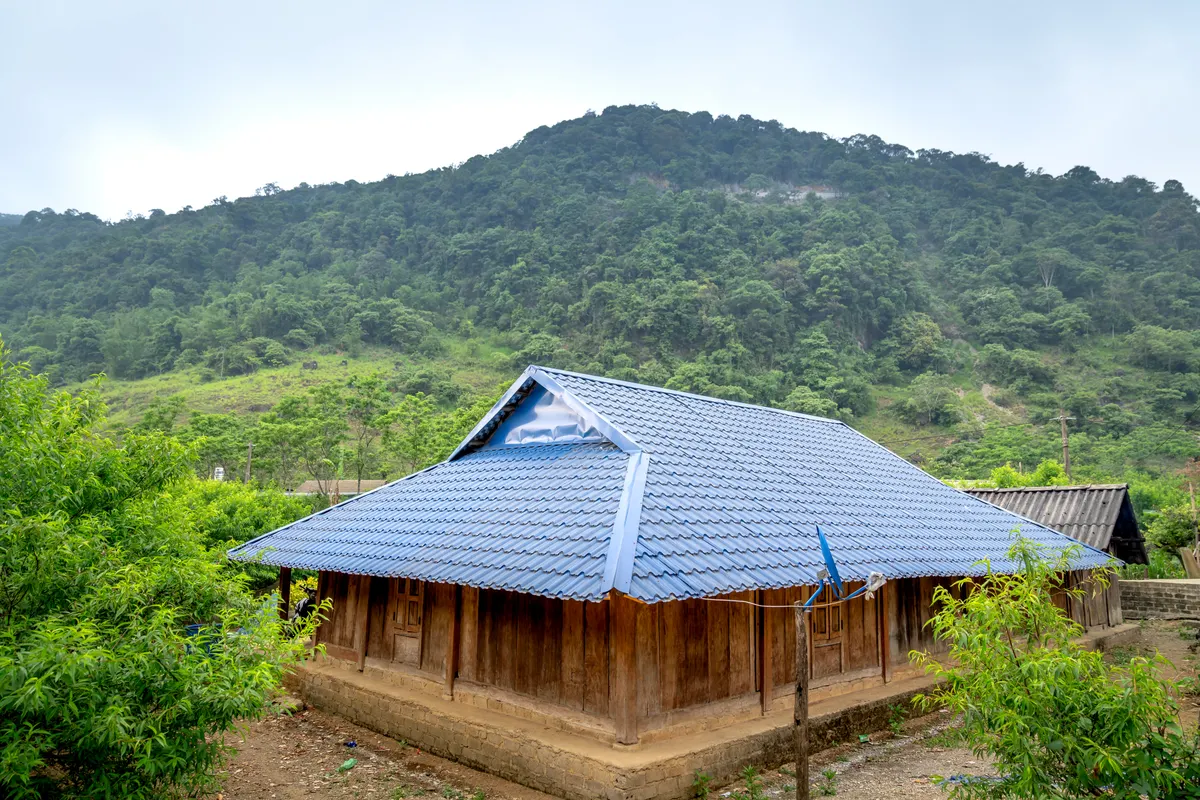
Metal Roof vs Asphalt Shingles in Wisconsin
One roof quote offers asphalt shingles. The other suggests standing seam metal. Both can protect a Wisconsin home, but the right choice depends on the whole roof system and how much you plan to spend.
Eau Claire Roof Hub is an information and referral site. We do not perform roofing work. Independent professionals set their own scope and price.
The main difference is the system, not the color
Asphalt shingles are overlapping pieces that cover the roof in rows. A metal roof uses panels or formed pieces with different joints and fastening methods. Neither product succeeds by itself. Flashing at chimneys and vents must keep water away from openings. Underlayment sits below the visible roof covering and adds another layer of protection.
For a simple house roof, shingles are often the lower upfront cost. Metal can cost more to install but may appeal to homeowners who want a different look or plan to stay longer. The final price depends on roof shape, material grade and skilled labor. Comparing a basic shingle bid with an advanced metal system can hide important differences.
How they behave in snow and ice
Snow can remain on either roof type. Smooth metal panels may let snow slide faster in some weather. A large release can threaten doors, driveways and paths. Some roofs need carefully planned snow retention devices above risky areas. Shingles can hold snow longer, which may keep the roof edge covered through a thaw.
Ice dams are not limited to shingles. Heat escaping from the house can warm the roof above a cold eave no matter what covers it. Air sealing and attic design still matter. See our ice dam prevention guide for the part insulation and ventilation play.
Ask where the falling snow will land
A roof above the front steps deserves a different snow discussion from a roof that slopes toward an empty lawn. The panel profile and pitch affect how snow moves. Ask the metal roofer whether guards are needed and who will design their placement. They should match the manufacturer’s system.
Installation details that change performance
Standing seam panels often conceal their fasteners. Exposed fastener metal roofs use screws through the panel surface. These are not identical systems and they do not require the same maintenance. Ask the installer to name the exact panel and explain its seams, clips and movement with temperature changes. The protection below either covering matters too, as our underlayment guide explains.
A shingle estimate should say whether the covering is a basic strip shingle or a laminated architectural product. Confirm the nailing method and the starter strips at the eaves. The Asphalt Roofing Manufacturers Association explains why ventilation, underlayment and ice barriers are part of a complete shingle roof.
Wind, hail and routine repairs
Wind ratings differ from product to product. Installation quality and the shape of the roof also affect how it performs. A metal panel may show a dent after hail while a shingle might lose protective granules or suffer another kind of impact damage. No roof is damage-proof. A contractor should explain the actual product rating and the limits of any warranty. To compare the wider choices, visit our roofing in Eau Claire resource.
Simple shingle repairs can be easier to match when the roof is fairly new. A dented metal panel may be harder to replace without disturbing nearby seams. Repairs depend on the system and how much damage occurred. If weather triggered the question, read our storm damage assessment guide before deciding that an entire roof needs to come off.
What roof lifespan claims leave out
Advertisements often promise decades of life for either material. A product warranty is not a guarantee that every installed roof will last the same number of years. Climate and installation matter. So do attic moisture, poor drainage and damage that goes unrepaired.
Ask whether the warranty covers materials only or also the installation work. Some products have different terms for fading or hail marks. Written limitations and required maintenance deserve attention. Our shingle lifespan guide explains how to judge condition without relying only on a roof’s age.
Compare two bids line by line
Start with the same measured roof area. Check the cost of removing old layers and any damaged wood. Look for ice and water protection at roof edges and valleys. Compare flashing around each opening. Make sure the plan for ventilation is written down. Then review disposal, site protection and the final cleanup. For the main price factors, read our Eau Claire roofing cost guide.
On metal bids ask about snow guards, panel coatings and what happens at cut edges. On shingle bids confirm the exact product line and hip and ridge pieces. A very low bid sometimes leaves out work the other company included. If a contractor finds weak decking after tear-off, the agreement should explain how extra charges are approved.
Eau Claire permits and hiring checks
The City of Eau Claire says shingle and metal reroofing uses its Building Exterior permit path. Structural roof replacement follows a different application. A home outside city limits may have different rules. Confirm the details for the property and ask who will obtain the needed permits.
Wisconsin also has business and individual contractor credentials for qualifying dwelling permit work. A company name on a truck is not enough to prove a credential is active. Ask for the details and check the state listing. Our contractor hiring checklist explains the questions worth asking.
Make the price comparison fair
Ask each bidder to explain which work is included in the basic price. Removing the old roof can reveal damaged decking that neither crew could see at first. Find out how those repairs will be charged before work starts. A quote for panels placed over existing shingles is also different from a quote that removes all old covering. Local rules and the condition of the roof affect whether a proposed method is suitable.
Metal roofing often has extra details that matter to long-term cost. Panel joins, fasteners and coatings may need different care from shingles. Some exposed-fastener systems require periodic attention to washers or screws. Standing seam can reduce exposed penetrations but still needs correctly fitted flashings. Ask for the manufacturer’s maintenance instructions in writing rather than relying on a sales phrase like maintenance-free.
For asphalt shingles, compare starter strips, ridge caps and the stated wind performance of the exact product. A premium shingle name will not fix poor ventilation or old chimney flashing. The best quote makes these system parts clear enough that you can compare them without guessing.
Which option makes sense for your home?
Asphalt shingles can be a reasonable choice when you want a familiar look and lower starting cost. A properly designed metal system may suit a homeowner who values its appearance and plans for longer ownership. Neither option removes the need for sound flashing and a healthy attic.
Ask each roofer to explain the complete system rather than sell a single material. With comparable written bids you can weigh cost, snow behavior and likely repair needs. If much of your present roof is still sound, compare the advice with our replacement planning guide before paying for a full new roof.
Compare materials with a clearer quote
Call with your roof type and material questions. We provide guidance and may help connect you with independent roofing professionals who prepare their own quotes.