
Roof Underlayment and Ice Barriers in Wisconsin
New shingles can look perfect from the street while the most important water protection sits underneath. Before you approve a new roof, ask which layer will protect the wood when rain or melting snow gets beneath the shingles.
Eau Claire Roof Hub provides roofing information and possible referrals. Independent professionals handle inspection and installation. We do not perform roofing work.
What roof underlayment actually does
Underlayment is a layer installed between the roof deck and the shingles. It provides extra protection if wind-driven rain or water from another source works beneath the visible roof covering. The shingles are still the main surface that sheds most rain. Underlayment is a backup rather than a replacement for properly installed shingles.
The Asphalt Roofing Manufacturers Association lists underlayment among the key parts of a complete asphalt roof. Other parts include starter shingles, ridge pieces, ventilation and ice protection. A roof that lacks one important part may be more vulnerable at certain joints even if the shingles look new.
Not all underlayment is designed for the same job. Some products cover broad roof areas while others protect spots where backed-up water is more likely. A written estimate should name the type used and the places it will be installed.
Felt and synthetic underlayment
Traditional roofing felt contains an asphalt-based material. Synthetic underlayments use manufactured sheet materials and can be designed to resist tearing or offer better walking grip. Both types have product instructions and limits. A contractor should choose a suitable material for the shingles, roof pitch and local requirements. Product compatibility and installation rules can affect the roofing warranty.
Do not assume that a product is better only because the sales sheet calls it premium. Ask for the exact name and the manufacturer’s installation instructions. What matters is how the layer works with the roof covering and how it is fastened and overlapped.
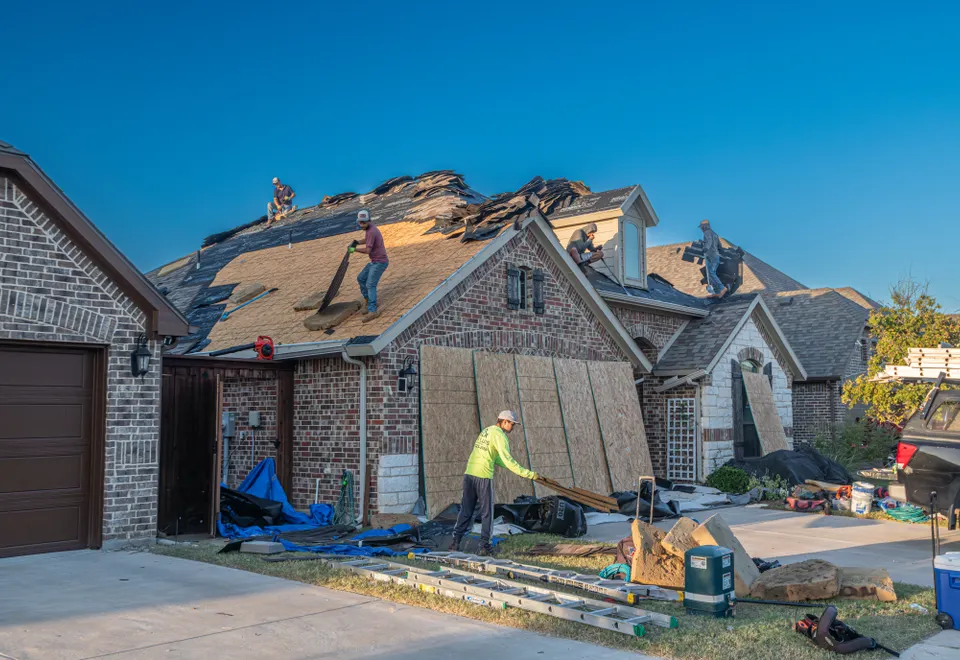
Some products are only meant to remain exposed to weather for a limited period. If a project is delayed after the underlayment is installed, ask how long it can safely stay uncovered. Long exposure to sunlight or rain may affect some products. The roofer should also inspect for tears before fitting the shingles.
Why an ice and water barrier is different
An ice and water barrier is commonly a self-adhering membrane placed on vulnerable parts of a roof. It sticks to the deck and is designed to reduce water entry around fasteners and overlaps. That makes it useful where rain or snowmelt may be forced beneath shingles.
ARMA’s underlayment guidance explains how self-adhering membranes are used for ice dam protection near eaves. It also describes use around valleys and openings. The membrane’s ability to seal around nail shanks provides another line of defense when water cannot drain normally.
These barriers are not an excuse to ignore bad attic conditions. Ice dams can continue to form when heat from the living space warms the roof unevenly. The membrane can help stop water reaching the deck but it does not stop snow from melting and freezing.
Why Wisconsin eaves deserve attention
An eave is the lower roof edge that extends beyond the outside wall. In cold weather this edge may stay colder than the roof above the heated rooms. Snow can melt higher up and refreeze near the gutter. The resulting ice dam can trap water on the shingles. For more roofing context, read our Eau Claire roofing overview.
ARMA’s ice dam protection bulletin recommends a membrane that extends at least 24 inches inside the interior wall line in areas that need ice protection. Actual code requirements and manufacturer instructions must be checked for the property. The measurement is not simply 24 inches up from the gutter because roof overhangs and wall locations vary.
A roofer should explain where the barrier will begin and end. Ask whether valleys and other vulnerable joints also need treatment. Our ice dam guide explains how roof temperature and insulation can affect the amount of ice forming at the edge.
Why roof valleys need careful layers
When two roof slopes meet they form a valley. Water from both sides travels through that narrow area. A weak joint or poor overlap can send rain beneath the surrounding shingles. Valleys therefore need special attention to the underlayment and flashing arrangement.
ARMA’s self-adhering membrane guidance describes valley protection as a common use for these materials. The exact placement depends on the roof design and the manufacturer’s instructions. A roofer should not place nails in a location where they create a direct leak path through the main water channel.
Our roof valley leak guide explains the difference between open metal and shingle-covered valleys. Both designs still need suitable protection beneath the surface. The best choice depends on the roof and product rather than appearance alone.
Chimneys and vent pipes need flashing too
Roofing underlayment must work around openings such as chimneys, skylights and plumbing vents. Metal flashing handles most of the direct water flow at these points. The membrane helps provide protection beneath it. A seal around a pipe may eventually crack even when the rest of the shingles are sound.
The roofer should explain how each part overlaps so water goes downhill instead of behind a joint. Simply applying more roof cement around a failed opening does not rebuild the water path. Product instructions can also specify whether the membrane goes beneath or overlaps a flashing piece.
For a specific problem see our roof vent pipe guide or the chimney flashing article. A damaged joint may allow a focused repair rather than a full roof replacement if the surrounding system remains sound.
Drip edges and roof edges have their own details
Drip edge is metal placed along roof edges to help guide water off the decking and into the intended drainage path. It also provides a cleaner finished edge. Its position relative to underlayment matters because those layers must overlap correctly.
ARMA’s drip edge bulletin explains the usual layout. At eaves drip edge is often installed below standard underlayment. Along rake edges it is often placed above the underlayment. Some designs using self-adhering ice protection allow a different approved arrangement. The roofer must follow the chosen shingle system and applicable code.
If you see water stains on fascia boards do not assume a wider gutter is always the answer. The water may be traveling behind a poorly fitted drip edge. Our gutter problems guide explains the drainage checks that can help separate those issues.
When underlayment cannot make up for damaged decking
Underlayment needs a suitable surface below it. Wet or rotten roof decking may not hold fasteners and may not provide a reliable base for self-adhering materials. Covering soft wood with a new membrane does not restore its strength.
During tear-off a contractor may find wood damage that could not be seen before the shingles were removed. Ask for photographs and a written change order before extra sheets are replaced. The repair should also find the cause of the moisture. Without that step the new deck can face the same problem again.
See our roof decking guide for questions about replacing damaged wood. If the roof framing itself has moved or sagged a structural specialist may be needed. Membrane and new shingles are weather protection materials rather than structural repairs.
What to check in an Eau Claire roofing quote
The estimate should name the underlayment brand and type. It should also say which sections receive ice and water protection and how roof openings will be treated. Do not accept a vague promise of full waterproofing. A sloped shingle roof is designed primarily to shed water with several layers working together.
- Underlayment product and areas covered
- Ice barrier product used at eaves and valleys
- How far eave protection extends into the building
- Flashing details around chimneys and vent pipes
- Drip edge installation at eaves and rake edges
- Plan for hidden damaged decking
- Cold weather limits and time allowed before shingles
- Written workmanship and product warranty terms
Ask for the current instructions or product sheet when a detail is unclear. The roof estimate comparison guide helps you check whether two bids include the same layers. One quote may look cheaper only because it leaves the protective materials unnamed.
Common underlayment questions
Can I save money by skipping underlayment?
A roof covering depends on a complete system that meets its installation requirements and local codes. Underlayment provides an important backup against water entry. Skipping it may leave the deck exposed when wind-driven rain passes beneath shingles. Ask the contractor for an approved system instead of removing a key material only to reduce cost. Compare approved products and installation methods instead of treating the backup water protection as an optional extra.
Does ice and water shield stop all ice dams?
No. The membrane helps protect the deck if water backs up. It does not prevent snow from melting on a warm roof or refreezing at the edge. Air sealing and suitable attic ventilation may help address the source. A roof can still develop ice even with good protection beneath the shingles. The house may also need attic air sealing or insulation work that belongs in a separate plan.
Should the whole roof have self-adhering membrane?
Some designs use self-adhering layers over a large area. Others concentrate them near eaves, valleys and roof openings. The right system depends on pitch, ventilation, product requirements and local rules. ARMA notes that full-deck membranes can affect moisture behavior because they may slow vapor movement. Ask a qualified contractor to review the assembly before approving that option.
Pay attention to the layers you cannot see
Underlayment disappears beneath the shingles once the roof is finished. That makes it easy to overlook during a sales visit. Yet its type and placement can matter when strong rain or backed-up winter water finds a weak point.
Before signing ask the roofer to describe the products and the parts of the roof they will protect. Keep photographs taken during installation when possible. The goal is not to buy the most expensive membrane by default. It is to have the right roof system fitted correctly for the house.
Ask what protection belongs beneath the shingles
Call with roofing system or estimate questions. We provide general information and may help connect you with an independent roofing professional who can assess your home.