
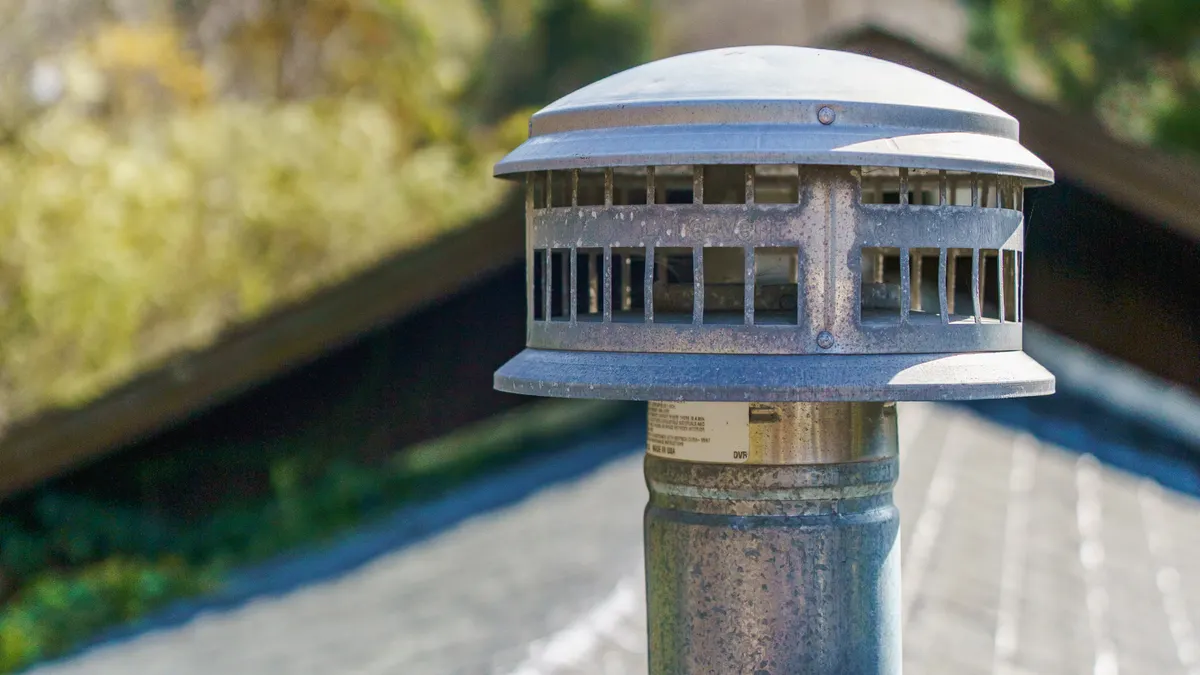
Roof Vent Pipe Leaks and Pipe Boot Repairs
A water stain appears on the bathroom ceiling after heavy rain. The roofer points to a small pipe coming through the shingles. The pipe may be fine. The seal around it could be the real problem.
Eau Claire Roof Hub is an information and referral resource. We do not perform roofing work. Independent professionals determine services and pricing.
Why plumbing vents pass through the roof
Most homes have pipes that allow the plumbing drainage system to vent. Some of these pipes pass through the roof. The opening leaves a gap between the pipe and the surrounding roofing. Without a proper weather seal rain could run along that gap into the roof deck.
The part that protects the opening is usually called pipe boot flashing. It includes a base that works with the shingles and a collar around the pipe. A boot is not the same as an attic vent. An attic vent is designed to move air through the roof space. A plumbing vent is part of the drain system inside the house. The two openings can look similar from a distance.
GAF’s guide to roof vent pipe leaks identifies damaged collars and flashing as common causes. The correct repair begins with finding which part has failed rather than treating every vent pipe the same way.
How a rubber pipe boot can fail
Some pipe boots use a rubber ring that fits around the vent pipe. Sunlight and changing temperatures can make that rubber stiff. Over time small splits may form near the pipe. Wind-driven rain can then enter the opening. A collar may also be damaged by tree debris or by a repair crew working around it.
The flashing base can fail even when the rubber appears sound. A nail placed in the wrong area may create a water path. A poorly fitted boot may not sit flat against the roof. Older metal parts can rust or move. Ask the roofer to inspect the pipe seal and the way the base overlaps the nearby shingles.
A small crack may look easy to cover with caulk. Yet sealant alone might not survive future movement or sunlight. If the boot is old and brittle a full replacement is often a clearer repair than repeatedly coating the same split. The professional should follow the instructions for the product being used.
What you might notice inside the house
A dark stain near a bathroom ceiling or wall can be an early sign. You might notice damp drywall after wind-driven rain. In an accessible attic there may be water marks close to a vent pipe. That does not prove the pipe boot caused the leak because water can travel along a rafter before it reaches the ceiling.
Record whether the mark appears during rain or during a snow thaw. Photograph the stain before cleaning or painting. If possible use a second photo to show where it sits in the room. Do not climb the roof to examine the rubber collar. A roofer can inspect the pipe from above when the surface is safe.
Our roof inspection guide explains what a useful written report should show. Ask the inspector to describe any area that could not be checked. If the roof is unsafe or the stain is growing around electrical fixtures keep people away and seek urgent help.

How a roofer confirms the leak source
A proper visit should check the condition of the boot and surrounding shingles. The roofer may also look at other openings higher up the roof. A damaged chimney joint or valley can send water toward a pipe before it reaches the room below. That is why the final diagnosis should not rely only on the nearest ceiling stain. Leaks can also begin farther upslope at roof valley joints. For more homeowner roofing questions, see our Eau Claire roofing resource.
The contractor may examine the underside of the decking in the attic where safe. Soft wood suggests the problem has been present longer than a fresh stain. If the decking is still sound the job may remain local to the flashing. Ask what evidence supports the recommended work and whether anything remains uncertain.
Special equipment is not always necessary for a small visible split. In other cases moisture testing or opening a section may be needed. Our roof decking damage guide explains why wet wood deserves its own assessment before the roof covering is replaced.
Replacing the boot versus applying a patch
Replacing a failed boot may require lifting the shingles around the pipe. The roofer removes the old flashing and checks the roof deck. Then a compatible replacement is fitted around the pipe so the base and shingles guide rain downhill. The surrounding materials must be restored without creating exposed fasteners in the wrong places. For other metal details, review roof-to-wall flashing repairs.
GAF’s pipe boot repair guidance emphasizes following the instructions for the specific flashing product. Different designs use different collars and fastening methods. Some boots use rubber. Others use a metal design with a separate fitting. The roofer should explain why the selected part fits the pipe and roof pitch.
A quick sealant repair may have a place as temporary protection when weather prevents proper work. That is different from promising a permanent fix. Ask whether the proposal replaces damaged material or simply covers the visible gap. Keep the answer in writing.
What changes during an Eau Claire winter
Snow can collect around a vent pipe and hide a damaged collar. A daytime thaw may send water toward the opening even when it is not raining. The water may refreeze along the lower side of the boot. This makes the surrounding underlayment important as a backup layer.
Cold weather also changes how some adhesives and sealants behave. A roofing contractor should check the product’s temperature limits before repairing the area. Trying to force a stiff shingle into place may create another crack. The job may need temporary weather protection until conditions allow the correct repair.
If indoor leaks mainly occur during snow melt read our ice dam guide. Not every winter leak starts at the vent pipe. Water from higher up the roof can travel beneath shingles before reaching the opening.
What a written repair quote should contain
The estimate should identify which pipe is being repaired and what will be replaced. Ask if new flashing and nearby shingles are included. Check whether damaged underlayment will be restored. If wet decking is suspected ask how extra work will be approved after the old boot is removed.
- Location of the leaking roof pipe
- Condition of the rubber collar or metal fitting
- Replacement product and pipe size
- How shingles around the boot will be repaired
- Whether damaged roof decking is included
- Workmanship warranty on the finished joint
Keep an invoice and photos of the completed flashing. A roof that has several old boots may need each one checked. Replacing one failed part does not prove every other pipe needs a new fitting.
Our roof estimate guide explains how to compare written repair scopes without choosing only by the lowest price.
When a new roof is not necessary
A single cracked boot on otherwise sound shingles is often a focused roof repair. A full roof replacement would be a much larger project. The condition of the surrounding material matters more than the age of the pipe alone.
If the shingles are brittle across several slopes or many joints are failing the roofer may recommend wider work. That should come with evidence such as photos and a written explanation. Do not approve full replacement because of one stain without understanding why a targeted repair would fail.
Read our roof repair service guide to compare common repair situations. If a contractor recommends replacement our replacement guide covers the questions to ask about the complete roof system.
Common pipe boot questions
Can I seal a cracked roof pipe collar myself?
Working on a sloped roof can be dangerous even during dry weather. A temporary bead of sealant may also hide the damage without fixing the flashing. The correct product and method depend on the boot. Ask a qualified roofer to inspect the roof opening and choose a repair that follows its installation instructions. A proper inspection also checks the surrounding shingle laps so the water path is not missed.
Why does the leak appear far from the pipe?
Water may move along framing or insulation before it drips into a room. The nearest stain does not always mark the entry point. A professional should check the pipe and the surrounding roof joints. Photograph the stain and note when it appears to help with the diagnosis. The stain can show up in a different room after water follows a wooden beam or the ceiling surface.
Should pipe boots be replaced during reroofing?
They deserve a close review whenever surrounding shingles are removed. Reusing brittle parts may leave weak joints in an otherwise new roof. Ask whether the replacement quote includes pipe flashing and what product will be fitted. A roofer should explain any choice to reuse existing materials. Taking photographs of each finished pipe joint can also help if the roof develops another leak later.
Fix the joint rather than hide the stain
A vent pipe is a small opening but water can enter where it meets the roof. The correct next step is to confirm whether the collar or flashing has failed. A new coat of paint inside will not stop water reaching the wood.
Keep photos of the original stain and the finished repair. Ask the roofer to explain which parts were replaced and whether the wood below stayed sound. That record makes future roof care easier and helps avoid paying for the same uncertain patch again.
Ask what failed around the roof pipe
Describe the leak and where it appears. Eau Claire Roof Hub offers general guidance and may connect homeowners with independent roofing professionals for an inspection.


