

Ice Dams on Eau Claire Roofs
A ceiling stain shows up in February even though it has not rained. Ice along the roof edge could be part of the reason. Here is how ice dams form and what may help stop the next winter leak.
Eau Claire Roof Hub provides information and may help connect callers with independent contractors. We do not perform roofing work ourselves.
Why ice dams form on winter roofs
Imagine snow lying across a warm roof while the lower edge stays frozen. Heat from the house may melt snow higher up. That water runs downhill and turns to ice when it reaches the colder edge. Over time a ridge can grow there. Water from the next thaw may have nowhere to go. It can work beneath the shingles and reach the roof deck or the wall below.
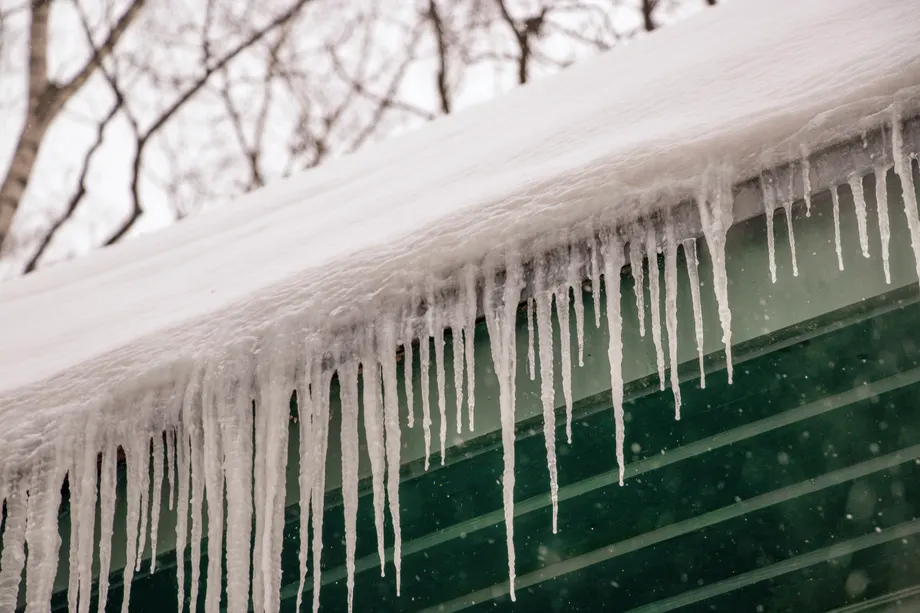
This is different from the normal sight of a few icicles after a sunny day. Icicles alone do not prove there is an ice dam or a leak. A thick line of ice along the eaves is more concerning when it appears with ceiling stains or dripping water. Eau Claire’s cold spells followed by warmer afternoons can create the right conditions. The exact risk depends on the house and its roof design.
Why one part of the roof melts first
Warm air can enter the attic around ceiling lights or the attic hatch. Plumbing and wiring holes also leave gaps. The attic warms the roof surface above it. The overhang is outside the heated walls so it often stays colder. Snow melts in one place and freezes in another. This cycle can continue even when outdoor air stays below freezing.
Warning signs you can spot safely
A line of heavy ice at the gutter is worth noting. So are water marks on an upstairs ceiling during a thaw. You might see wet paint near an outside wall or damp insulation inside an accessible attic. Watch whether the stain returns when snow melts without new rain. The timing tells a roofer something useful about the cause.
Do not treat every winter ceiling stain as proof of an ice dam. Water may also enter around chimney flashing or a roof vent. An inspection should compare these possibilities. A photo of the roof edge from the ground is helpful. Photograph indoor changes too. There is no reason to climb an icy roof to get a better picture.
When the issue becomes urgent
Water running into a light fixture calls for electrical safety steps. Keep people clear of the wet area and call qualified help. A ceiling that starts to sag can also be unsafe. Our emergency roofing guide covers those first steps. Do not wait for an ordinary maintenance visit if the structure may be at risk.
What helps prevent another ice dam
The long-term solution often begins below the roof rather than on top of it. The ENERGY STAR attic ventilation guide explains that air sealing and insulation help keep heat from escaping into a cold attic. Outdoor air can then move through a suitable vent path. This reduces the temperature difference that feeds many ice dams. Attic conditions are covered further in our roof ventilation guide.
Seal air leaks before adding insulation
Warm indoor air moves through gaps at the ceiling. Adding insulation without addressing larger openings may leave the problem partly in place. A skilled insulation worker can check the attic hatch and other common leak points. Older homes may also have unsafe wiring or unusual insulation that needs special handling. Do not disturb materials you cannot identify.
Keep attic vents open
Soffit vents allow air to enter near the eaves. Ridge or other exhaust vents let it leave higher up. If insulation blocks the lower opening, airflow may not work as planned. More vent openings are not automatically better. The right layout depends on the roof shape and whether the attic is vented or designed as a sealed space. Have a qualified professional check that design before making changes.
What about roof rakes and heated cables?
Some homeowners use a roof rake from the ground to remove loose snow near a reachable edge. That can sometimes reduce the amount of snow available to melt. It can also damage shingles if the tool scrapes the roof. Falling snow and ice can hurt anyone standing underneath. Leave the work to a trained crew when the edge cannot be reached safely or when thick ice is already present. If the covering itself needs work during a cold spell, review winter roofing precautions.
Heat cables are sometimes installed at problem edges. They may make a narrow path for water to drain. They are not a complete answer to attic heat loss. Poor installation can create electrical or roof problems. A roofer and electrician should check whether they fit your roof and how they will be powered. Never chip ice with a hammer or pour boiling water onto a frozen roof.
When roof materials also need repair
An ice dam can expose a weak point that was already there. Water may travel through old flashing or a worn shingle joint. After the roof is safe to inspect, a roofer can check the lower courses of shingles and the wood underneath. Wet decking sometimes needs more than drying out. The repair should address the entry path and any damaged material. See also how ice barriers help protect the roof deck. For more local service and repair options, see our Eau Claire roofing overview.
A full roof replacement is not the automatic answer. If the roof covering is otherwise sound, a focused repair and attic improvements may be enough. If many areas are damaged, compare the options in our roof replacement guide. Ask for photos and a written explanation before approving any large job.
Questions Eau Claire homeowners often ask
Will clean gutters prevent ice dams?
Clean gutters help rain and meltwater drain when temperatures permit. They cannot stop snow from melting higher on a warm roof. Blocked gutters may add to drainage problems but are not the only cause. Check the attic conditions as well as the roof edge.
Should I remove icicles myself?
Do not stand beneath heavy ice or try to knock it down from a ladder. Falling pieces can cause serious injuries. Keep walkways below dangerous overhangs clear until a professional can assess the risk.
Does a new roof guarantee there will be no ice dams?
No. New shingles and the right ice and water membrane improve protection. They do not fix gaps that send heated air into the attic. The roof and the space below it need to work as a system.
A better plan before the next thaw
Save photos from the dates when ice formed and when water appeared indoors. An expert can compare them with the attic layout and roof edges. If you hire someone, ask which work stops heat loss and which work repairs water damage. Those are different jobs and may involve different trades.
For a house that has leaked every winter, a one-time ice removal visit may not end the cycle. Focus on the cause and keep a clear record of the work. That gives you a better chance of heading into the next Eau Claire winter without the same damp ceiling.
Ask why the ice keeps returning
Describe the roof edge and any indoor stains. We can discuss useful questions and may connect you with an independent roofing professional.


